

Emergencies
We have the resources you need in emergency situations.
This page includes the information you need to prevent emergencies from arising, and the tools to help you navigate emergencies when they do arise.
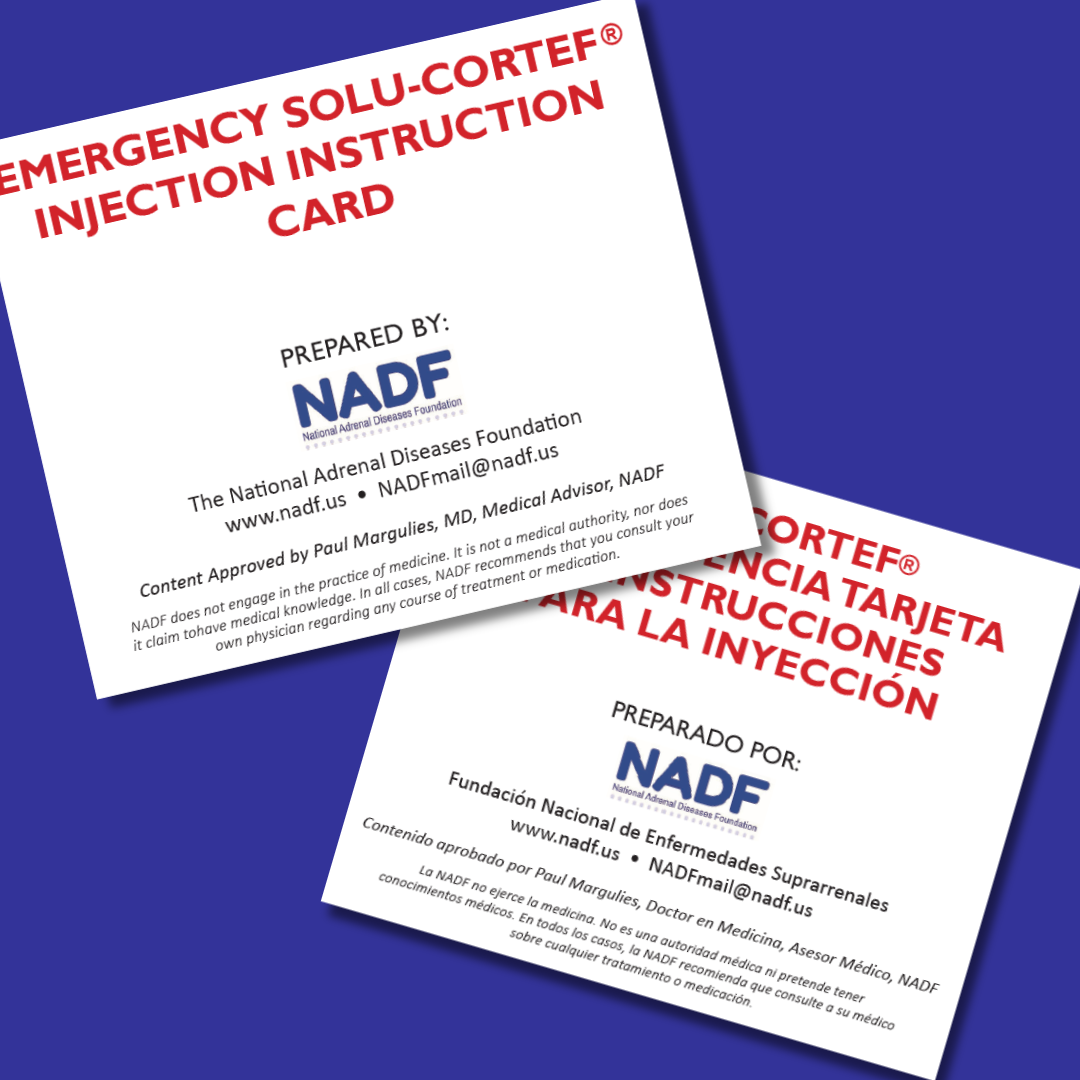
Download Your Digital Emergency Wallet and Injection Instruction Cards
An adrenal crisis is the result of an extreme physical or emotional stress that does not get the necessary steroid coverage to meet that stress. It is a potentially life‐threatening medical emergency that requires management in a hospital or emergency department. Typical symptoms are:
Severe drop in blood pressure, causing dizziness, lightheadedness and possibly loss of consciousness
Nausea and vomiting
Confusion and lethargy
Muscle weakness, cramps, headaches
What is an adrenal crisis?
Adrenal Crisis Alert Flyers
Hospital or Emergency Department treatment will include IV saline, IV hydrocortisone and close monitoring of blood pressure and electrolytes. The length of hospitalization may be hours to days, and will depend on the severity of the crisis and any underlying precipitating factors, such as infection, as well as the basic health of the individual.
Treating an adrenal crisis
Emergency Treatment Letters in Translation
What goes in my emergency kit?
Emergency kit contents
Documentation:
Your emergency contact information
Emergency instructions from NADF, signed by your doctor
Your doctor’s prescription for Solu‐Cortef®
A letter from your endocrinologist giving permission to carry injectables on plane (if you travel)
Medications:
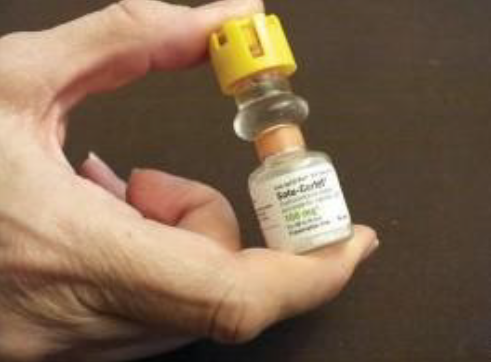
Solu‐Cortef® Act‐O‐Vial, 100 mg hydrocortisone
Syringe
Alcohol swabs
Needles (including info on the size—typically in the range of 22–25 gauge, 1 to 1.5 inches in length)
Other recommendations
For non‐emergency situations we recommend you always carry additional medication with you in pill form (e.g., hydrocortisone, prednisone) in case you require additional pills for medical or emotional stress that has not yet increased to a level of crisis.
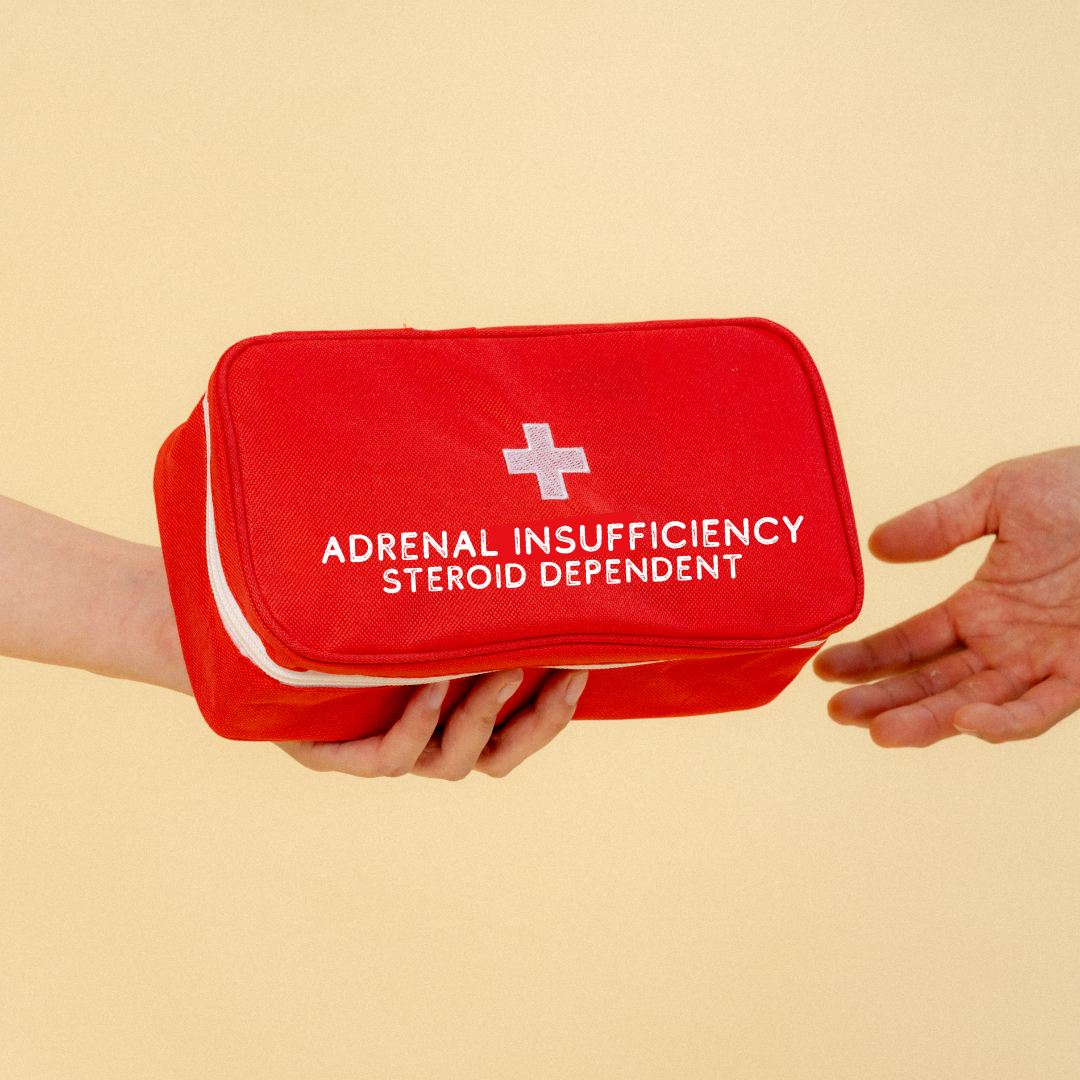
All adrenal insufficient patients should be equipped with a steroid emergency card and medical alert identification to inform health personnel of:
the need for increased glucocorticoid doses to avert or treat adrenal crisis
the need of immediate parenteral steroid treatment in the event of an emergency
Emergency Kit List - Printable PDFs
Storage recommendations
There are many different Medical Travel Cooler Bags on the market. Choose the size and design right for you.
Manufacturer’s storage recommendations for Solu‐Cortef®, 100 mg hydrocortisone Act‐O‐Vial:
Store un‐reconstituted product at controlled room temperature 20° to 25°C (68° to 77°F)
Store solution at controlled room temperature 20° to 25°C (68° to 77°F) and protect from light
Use solution only if it is clear. Unused solution should be discarded after 3 days.
If we must face natural disasters and other calamities, it is best to do so prepared. Read on for adrenal insufficiency specific disaster preparedness guidelines, and be sure to download our PDFs to use as a checklist while you prepare.
Disaster Preparedness
Disaster Preparedness Recommendations
Medical supplies and information to have on hand:
Daily prescriptions recently refilled and on hand – especially corticosteroid medications
Medication list with strength and dosing of all prescription drugs
Insurance card
An extra supply of steroids for daily use and stress-dosing
Emergency card handy with instructions in case of Adrenal Crisis
Solu-Cortef injection kit ready and in a safe and waterproof location for ease of use (vials, syringes, needles)
Check with your local pharmacy – do they have up-to-date correct insurance ID information and prescription information on file?
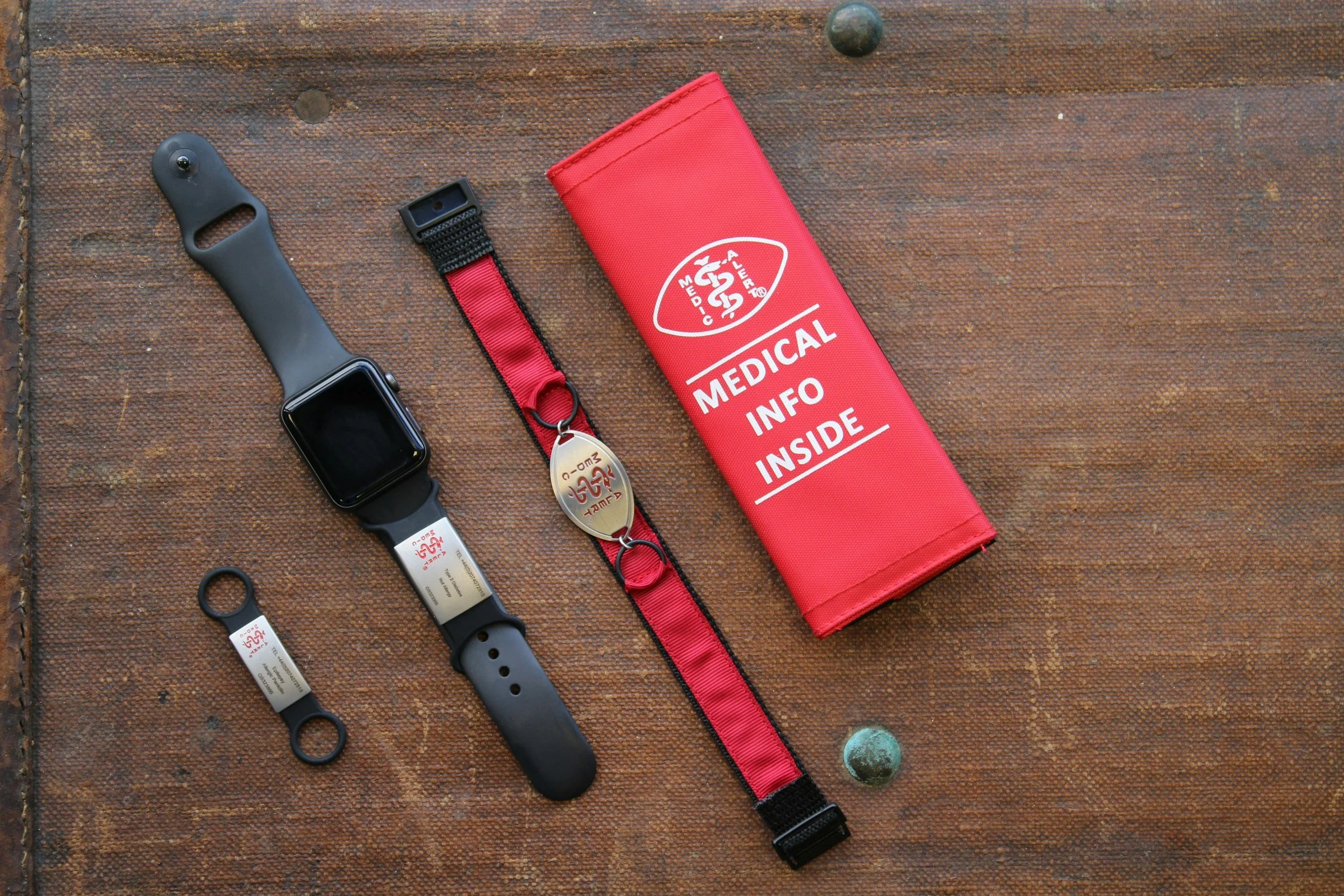
Wear medical ID and/or have a current subscription to MedicAlert with instructions for emergency treatment
Discuss stress dosing during natural disasters with your doctor. Additional pressure, anxiety and overall stress to our bodies, can require a higher dose of steroids to compensate
General Survival Kit for Emergencies (provided by FEMA)
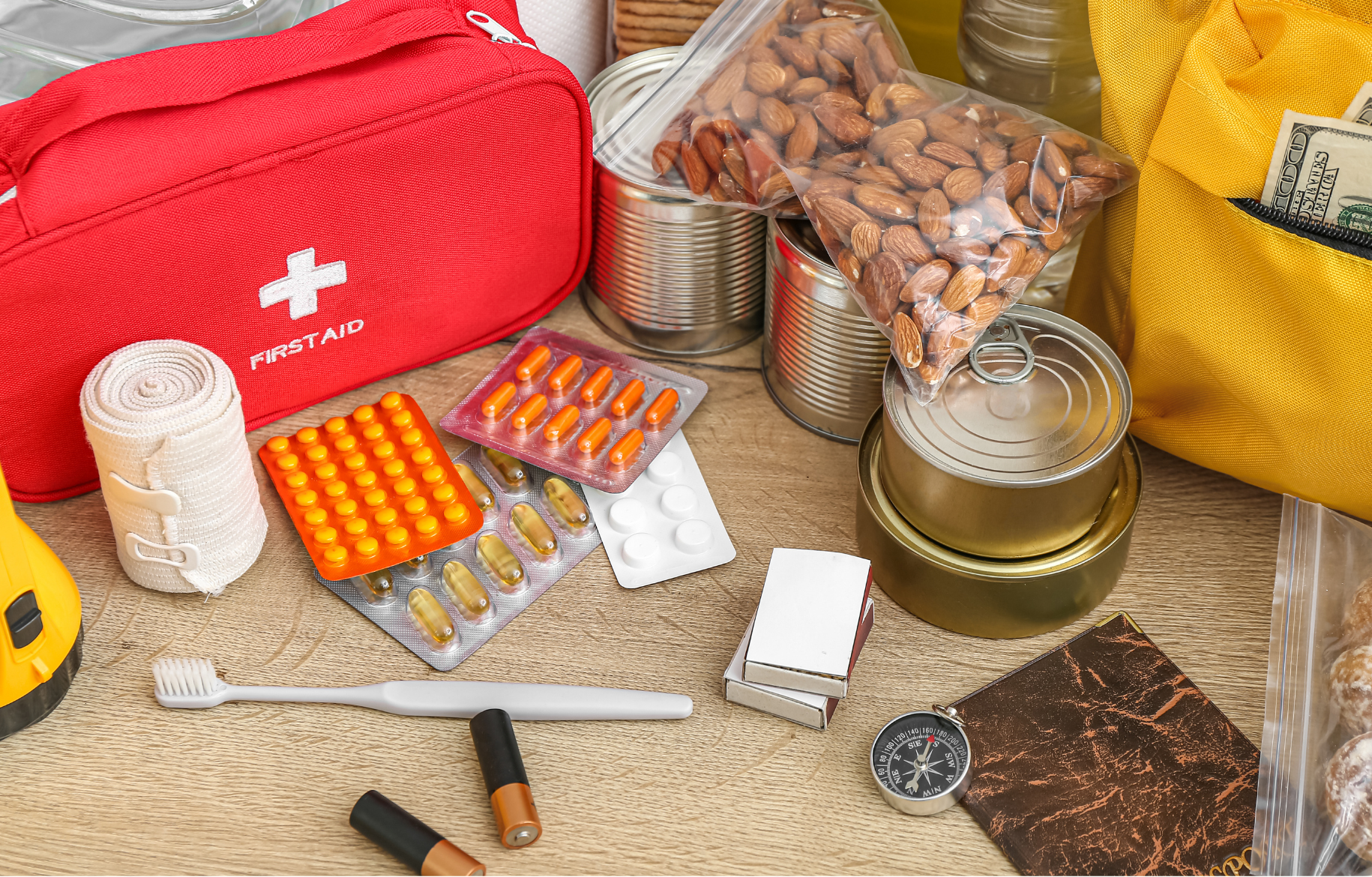
Basic items needed for survival – food, water, clean air and any life sustaining items to maintain your health, safety and independence. It is recommended to create two kits – one kit with everything you will need at home, a second kit to take with you if you must leave your home.
FEMA recommends these basic emergency supplies include the following:
Water, one gallon of water per person per day for at least three days, for drinking and sanitation
Food, at least a three-day supply of non-perishable food and a can opener if kit contains canned food
Battery-powered or hand crank radio and a NOAA Weather Radio with tone alert and extra batteries for both
Battery-powered or hand crank cell phone charger
Flashlight and extra batteries
First aid kit
Whistle to signal for help
Dust mask to help filter contaminated air and plastic sheeting and duct tape to shelter-in-place
Moist towelettes, garbage bags and plastic ties for personal sanitation
Wrench or pliers to turn off utilities
Local maps
Pet food, extra water, and supplies for your pet
Please visit ready.gov for more information on how you can prepare.
food outbreak investigations
Food poisoning poses a significant risk, especially for individuals with adrenal insufficiency, as it can lead to adrenal crisis. NADF strongly recommends staying informed about the latest food outbreak reports from the FDA. Ensure you receive timely updates by subscribing to the FDA's Email Updates on Food Recalls & Outbreaks.
Awareness can play a crucial role in ensuring the safety of your health and well-being!