
Patient Resources

Adrenal disease can feel complicated and overwhelming. We are here to help with the best resource library we can put together for you and your community. Scroll down for information on …
Most Common Symptoms of Adrenal Hormone Replacement Excess and Deficiency.
A Quick Reference by Paul Margulies, M.D.
Updated 9/30/21
Most common symptoms of glucocorticoid (cortisol) excess:
Weight gain
Fatigue
Easy bruising
Muscle weakness
Redness in the face
Pink stretch marks
Mood swings
Inappropriate hunger
Most common symptoms of glucocorticoid (cortisol) deficiency:
Severe fatigue
Weakness
Weight loss
Hyperpigmentation
Nausea
Loss of appetite
Most common symptoms of mineralocorticoid (fludrocortisone acetate) deficiency:
Reduced blood pressure
Nausea (sometimes to the point of vomiting)
Dizziness (sometimes to the point of passing out)
Salt craving
Muscle cramps
Most common symptoms of mineralocorticoid (fludrocortisone acetate) excess:
Hypertension
Ankle swelling
Exertion headache
Protocols
-
In treating adrenal insufficiency, NADF would like to stress its position that all hydrocortisone and fludrocortisone acetate dosing should be personalized, with the following dosage ranges:
Hydrocortisone 15 mg to 40 mg
average dose 20 to 30 mg
PLEASE NOTE: Hydrocortisone dosing should be given in divided doses, with most on awakening and the remainder in one or two doses at midday or afternoon, to mimic the normal daily cycle.
Fludrocortisone Acetate 0 to 0.4 mg
average dose 0.05 to 0.2 mg
To manage Addison's Disease (adrenal insufficiency), patients should learn how to adjust cortisol hormone replacement medication (Cortef®/hydrocortisone/cortisone acetate/prednisone) to their situation's need (with their physician’s oversight).
The current philosophy is to stay as low as possible with cortisol hormone replacement dose, BUT STILL FEEL COMFORTABLE, while keeping oneself out of adrenal crisis.
Ingesting more glucocorticoid then your body needs can cause cataracts, glaucoma, osteoporosis and reactive diabetes.
-
Steroid coverage for adult adrenal insufficient patients needing surgery is infusing 200 mg hydrocortisone over 24 hours after an initial bolus of 50‐100 mg, then taper or resume the normal dosage depending on the surgery. If major surgery is performed, a slow taper is used; if minor, resumption to normal dose within a day is fine. If the surgery itself is very minor, like an outpatient biopsy, just using a double oral dose of hydrocortisone may be sufficient coverage.
DOWNLOAD THE SURGERY PROTOCOL FOR ADULT ADRENAL INSUFFICIENT PATIENTS PDF »
-
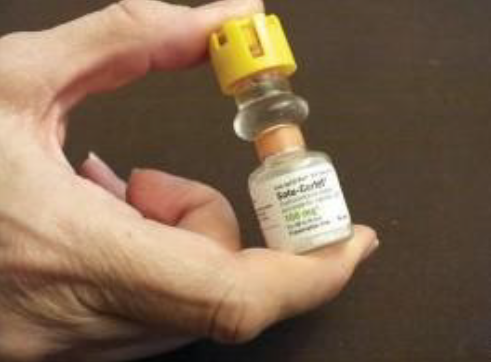
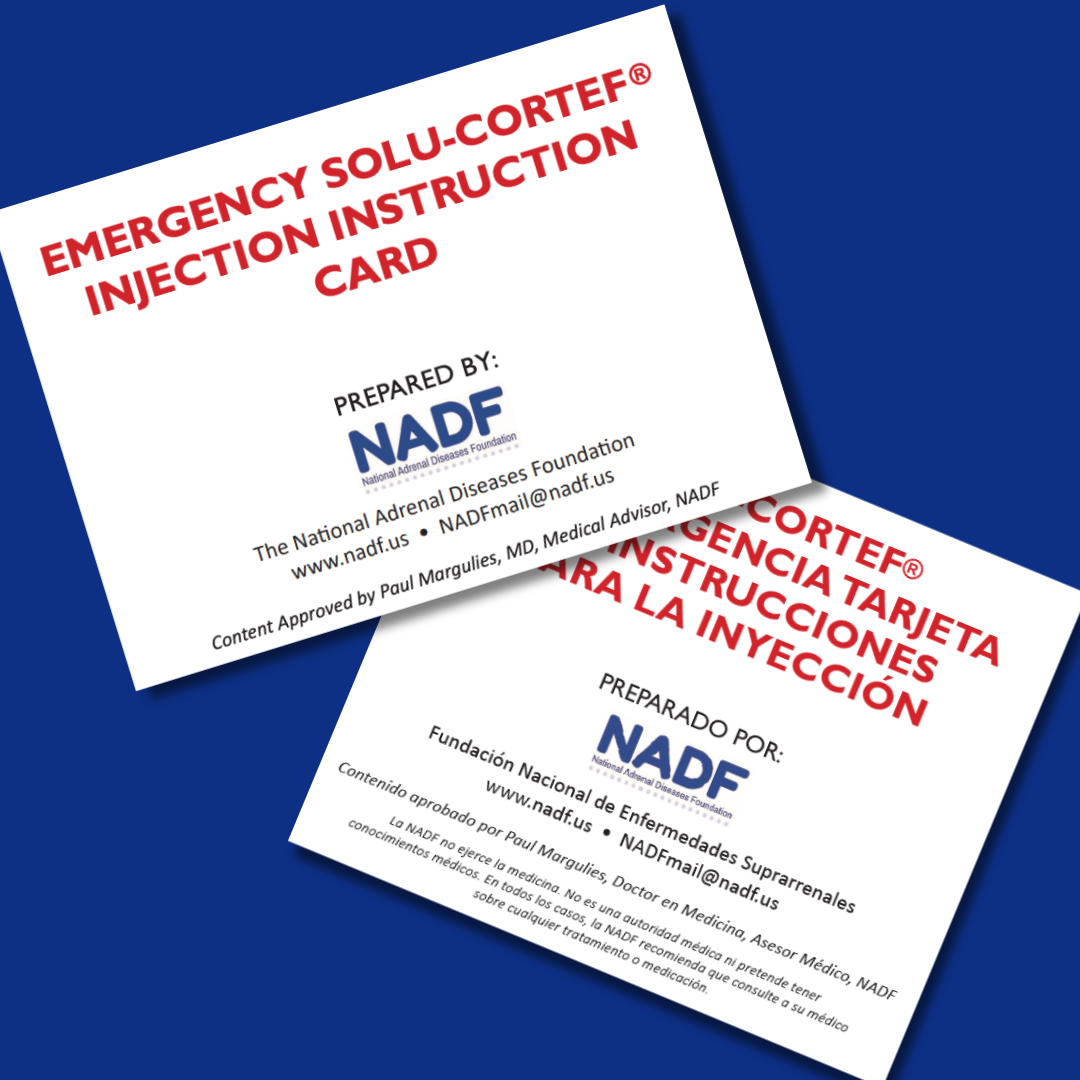
Patients who rely on daily oral hydrocortisone replacement often need additional oral hydrocortisone to mimic the body’s natural stress response. Stress-dose hydrocortisone may be needed in emergencies or before surgery and must be given intramuscularly (IM), subcutaneously (SC), or intravenously (IV) if vomiting or diarrhea is present to prevent death from adrenal crisis.
Causes and symptoms of a potential adrenal crisis can vary among people; please consult your endocrinologist for specific recommendations for your care and go to the nearest emergency department if crisis symptoms are evident.
-
Children who rely on daily oral hydrocortisone replacement often need additional oral hydrocortisone to mimic the body’s natural stress response. Stress-dose hydrocortisone may be needed in emergencies or before surgery and must be given intramuscularly (IM), subcutaneously (SC), or intravenously (IV) if vomiting or diarrhea is present to prevent death from adrenal crisis.
Causes and symptoms of a potential adrenal crisis can vary among people; please consult the endocrinologist for specific recommendations for your care and go to the emergency room if crisis symptoms are evident.
Hydration
Aldosterone is the adrenal cortex hormone the human body uses to regulate sodium (salt) and potassium (a.k.a. electrolytes) and, therefore, blood pressure.
Due to no or very little aldosterone production, people with primary adrenal insufficiency (Addison’s disease) and the majority (75%) of those diagnosed with classical congenital adrenal hyperplasia (CAH) are categorized as “salt-wasters”, and must replace this aldosterone hormone orally (with fludrocortisone acetate, a.k.a. Florinef®).
Even with oral replacement, maintaining the optimum levels of this hormone can be a challenge. When these “salt wasters” exert themselves heavily, or spend enough time in hot temperatures, there is a good possibility of their losing too much salt in sweat and urine, putting them at higher then normal risk for dehydration. Therefore, “salt wasters” should be sure to drink enough non-sugar-laden liquids, and supplement with enough salt to alleviate this dangerous situation.
Updated April 2020
Liquid options to consider:
water (always the best liquid)
seltzer or soda water
tea of any type
fruit juice
milk
broth
Cold salted liquids are not recommended, as too much salt at one time can cause diarrhea.
Salty food suggestions:
dill pickles
pretzels
nuts
olives
broth
potato chips